Featured

The 6-Minute Rule for Steps for Take Action with the Behavioral Finance in Debt Recovery: How Psychology Shapes Repayment Success Process
Table of Contents
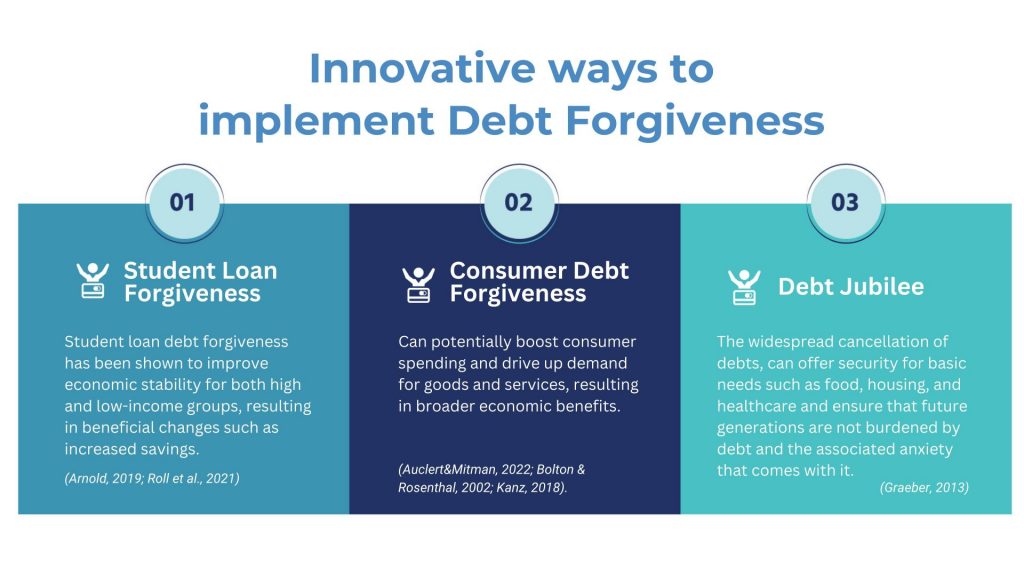
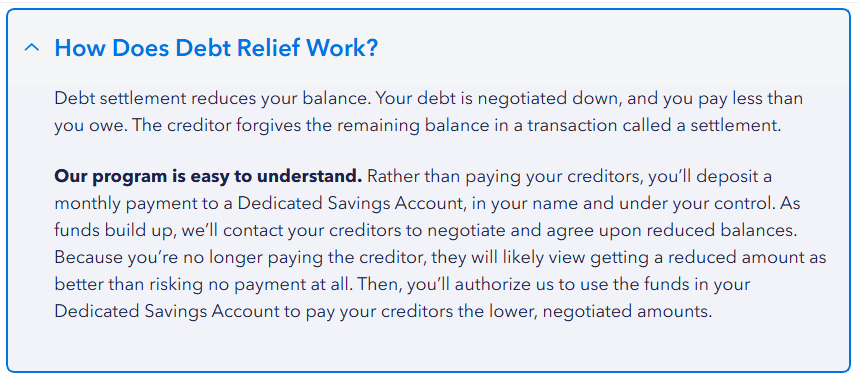
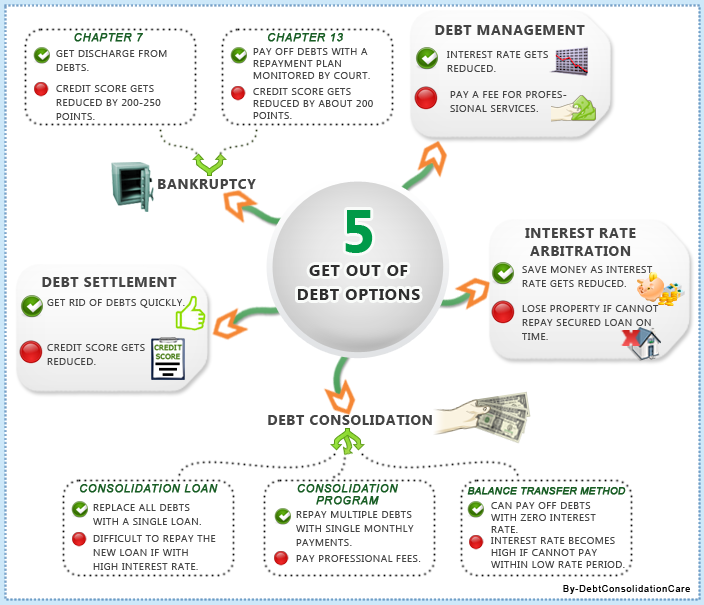
That liberates cash in the short term, and you might have three to 4 years to conserve toward the settlement quantity. Extremely unsafe to credit report, mainly as a result of missed out on payments and an unfavorable "settled" mark that can remain on your credit rating record for up to 7 yearsMay be just choice if other alternatives (financial obligation combination, equilibrium transfer charge card, financial debt forgiveness) aren't possibleTypically calls for a fee to the 3rd party, which could balance out some or all of the financial savings from financial debt settlementMay help you avoid personal bankruptcy if you've missed a number of paymentsNot all creditors work with financial obligation settlement business Financial debt forgiveness might be appropriate for you if you are experiencing a financial hardship that makes it almost impossible to pay down your debt equilibriums.
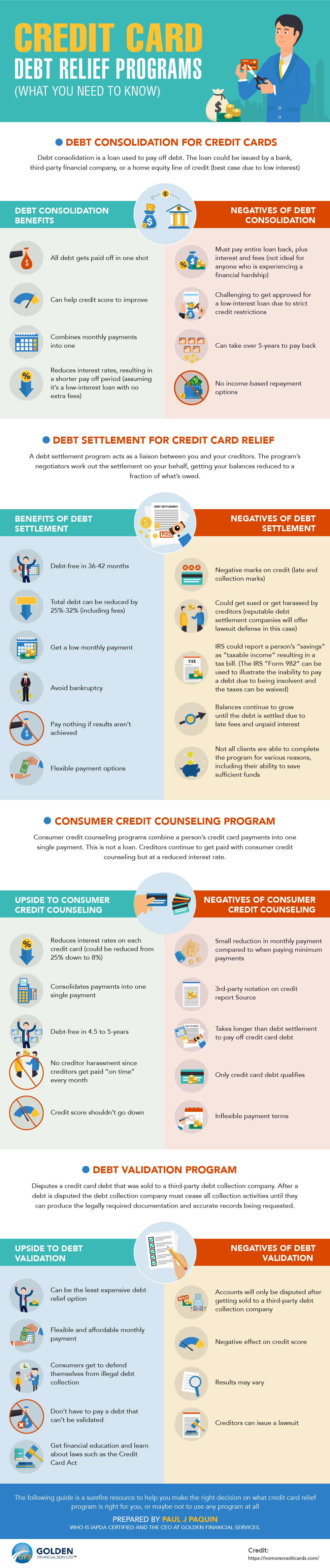
With a DMP, you make one monthly settlement to the credit score therapy company. Those funds are then dispersed to creditors of your unsafe debts, such as bank card and installment loans. The agency collaborates with your creditors to decrease rate of interest or waive costs, yet some creditors may decline such concessions.
A financial obligation loan consolidation financing combines your qualified financial debts into one new financing. It can assist you pay for debt if you're able to secure a lending rate that's less than the typical price of the accounts you're combining. Nonetheless, you should avoid acquiring financial debt on those recently removed accounts or your financial obligation could expand also greater.
That offers you plenty of time to get rid of or substantially reduce your equilibrium while making interest-free repayments.
Facts About Is Bankruptcy Appropriate for Your Family Uncovered
You might need it if your lender or a collection company ever attempts to gather on the debt in the future. When a lender forgives $600 or even more, they are needed to send you Form 1099-C.
Financial obligation forgiveness or negotiation nearly always injures your credit score. Anytime you clear up a financial debt for less than you owe, it may appear as "resolved" on your credit history record and impact your credit history for seven years from the date of settlement. Your credit can also go down considerably in the months causing the mercy if you fall behind on repayments.
The Importance of Expert Debt Counseling - An Overview
Tax debt compromise programs Tax obligation financial obligation takes place when the amount of tax obligations you owe exceeds what you have actually paid. This circumstance commonly results from underreporting earnings, not submitting returns promptly, or disparities located throughout an IRS audit. The consequences of accumulating tax financial obligation are major and can consist of tax liens, which provide the IRS a lawful case to your residential or commercial property as safety for the financial debt.
Greater passion prices on readily available credit history. Earnings and Bank Accounts internal revenue service can impose (confiscate) salaries and bank accounts to satisfy the debt. Decreased revenue and disruption of essential monetary procedures. Building Seizure In severe situations, the IRS can take and sell residential or commercial property to cover the financial debt. Loss of valuable assets and prospective displacement.
Depression, stress and anxiety, and other mental wellness concerns. Social Preconception Facing lawsuit from the internal revenue service can lug social stigma. Damages to credibility and connections. Work Opportunities A poor credit rating because of exhaust financial debt can limit employment possibility. Trouble searching for or keeping a task. Government Benefits Tax obligation financial obligation might impact qualification for federal government benefits, such as Social Safety and Medicaid.
Widespread False Beliefs About Debt Forgiveness Can Be Fun For Everyone
The OIC thinks about numerous elements, consisting of the taxpayer's revenue, expenses, asset equity, and ability to pay. Successfully negotiating an OIC can be complex, requiring a thorough understanding of the internal revenue service's guidelines and a solid argument for why your offer aligns with your capability to pay. It is necessary to note that not all applications are approved, and the process needs comprehensive financial disclosure.
The IRS examines your total economic circumstance, including your income, expenses, property equity, and capacity to pay. You should also be current with all filing and payment demands and not be in an open insolvency case. The IRS also considers your conformity history, assessing whether you have a record of timely filing and paying tax obligations in previous years.
Key Things You Must Ask Before Enrolling - Truths
The application process for a Deal in Compromise involves a number of in-depth steps. You must finish and submit Internal revenue service Kind 656, the Offer in Compromise application, and Type 433-A (OIC), a collection info statement for individuals. These kinds require extensive financial details, consisting of information regarding your income, financial debts, expenses, and properties.
Back tax obligations, which are unpaid taxes from previous years, can dramatically increase your overall internal revenue service debt otherwise attended to immediately. This financial obligation can build up interest and late payment fines, making the initial quantity owed a lot larger with time. Failure to pay back taxes can cause the IRS taking enforcement activities, such as issuing a tax lien or levy against your home.
It is essential to deal with back tax obligations asap, either by paying the sum total owed or by organizing a layaway plan with the IRS. By taking proactive actions, you can stay clear of the buildup of additional interest and fines, and stop extra aggressive collection actions by the IRS.
One typical factor is the idea that the taxpayer can pay the complete amount either as a lump sum or via a settlement strategy. The internal revenue service additionally thinks about the taxpayer's earnings, costs, asset equity, and future earning possibility. If these variables indicate that the taxpayer can afford to pay even more than the provided amount, the internal revenue service is most likely to turn down the offer.
The Future in Debt Forgiveness Solutions - An Overview
It is important to provide exact and complete details in your application and to seek advice from a tax obligation professional to improve the possibilities of acceptance. Managing internal revenue service financial obligation can be intricate and overwhelming. Tax obligation experts, such as Certified public accountants, tax obligation attorneys, or enlisted agents, can give invaluable aid. They have the competence to navigate the complexities of tax legislation and internal revenue service treatments.

Table of Contents
Latest Posts
The Ultimate Guide To The Truth About How Specialty Counselors Help Clients Facing Legal Separation or Child Support Changes in Today's Economy
Some Known Details About Inflation Impacting Rising Need for Professional Help
An Unbiased View of Federal Programs That Offer Empowering Communities: The Impact of Financial Education Programs : APFSC
More
Latest Posts
Some Known Details About Inflation Impacting Rising Need for Professional Help
An Unbiased View of Federal Programs That Offer Empowering Communities: The Impact of Financial Education Programs : APFSC