Featured


The Real Cost of Overlooking Debt: Just How Expert Therapy Services Are Altering Financial Recuperation
Table of Contents
- – The Growing Demand for Debt Forgiveness Solutions
- – Insolvency Therapy: The Misunderstood Safeguard
- – Contrasting Your Debt Relief Options
- – What Establishes Nonprofit Counseling Apart
- – Caution Indications of Predative Financial Deb...
- – Taking the Primary Step Toward Recuperation
- – The Course Onward
Economic stress and anxiety has actually ended up being a specifying attribute of modern-day American life. With overall charge card debt surpassing $1.21 trillion and the average cardholder owing greater than $6,500, numerous people find themselves entraped in cycles of minimum repayments and compounding rate of interest. When credit card rate of interest hover around 23%, also small equilibriums can swell right into frustrating concerns within months.
For those sinking in financial obligation, the question isn't whether to look for assistance-- it's discovering the ideal sort of aid that won't make issues worse.
The Growing Demand for Debt Forgiveness Solutions
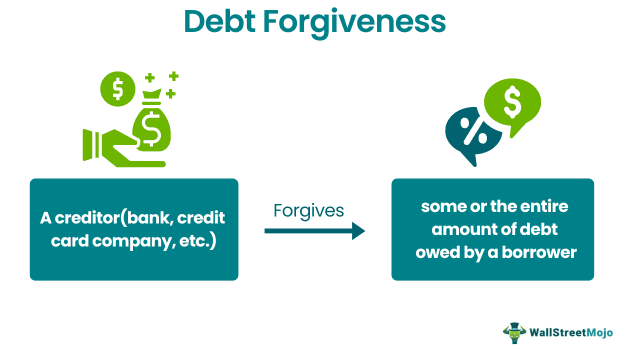
Debt mercy has become among the most browsed monetary topics on the internet, and for great reason. The idea of working out financial obligations for less than the sum total owed deals genuine intend to people that see no reasonable path to paying their balances in complete.
The process normally works such as this: when bank card accounts go overdue for 120 days or even more, creditors commonly charge off the financial debt. At this stage, they may approve decreased negotiations to recoup at least a section of what's owed. Effective settlements can decrease equilibriums by 30% to 50%, depending on the lender and your shown economic hardship.
Debt forgiveness isn't cost-free cash. Settled accounts appear on credit history records as "" paid less than complete equilibrium,"" which influences your score. Additionally, forgiven quantities exceeding $600 may be reported to the internal revenue service as taxable earnings. Comprehending these compromises prior to pursuing negotiation is crucial.
Insolvency Therapy: The Misunderstood Safeguard
Personal bankruptcy carries considerable stigma, yet it remains a reputable legal tool created to offer overloaded people an authentic fresh beginning. What many people do not understand is that government legislation calls for two therapy sessions before and after declaring-- and these sessions exist specifically to ensure you're making an educated decision.
Pre-bankruptcy credit report counseling entails a comprehensive review of your revenue, financial obligations, and costs. Certified counselors existing choices you could not have taken into consideration, consisting of financial debt management programs or hardship arrangements. This isn't about dissuading insolvency; it has to do with verifying it's genuinely your best choice.
Post-bankruptcy debtor education and learning prepares you for financial success after discharge. You'll find out budgeting strategies, conserving strategies, and credit report rebuilding comes close to developed to stop future monetary problems.
Organisations like APFSC offer both needed programs, with fees around $19.99 per session unless you certify for challenge waivers. Their certified therapists provide same-day certifications, and sessions usually run 60 to 90 mins. This ease of access issues when you're currently worried concerning funds.
Contrasting Your Debt Relief Options
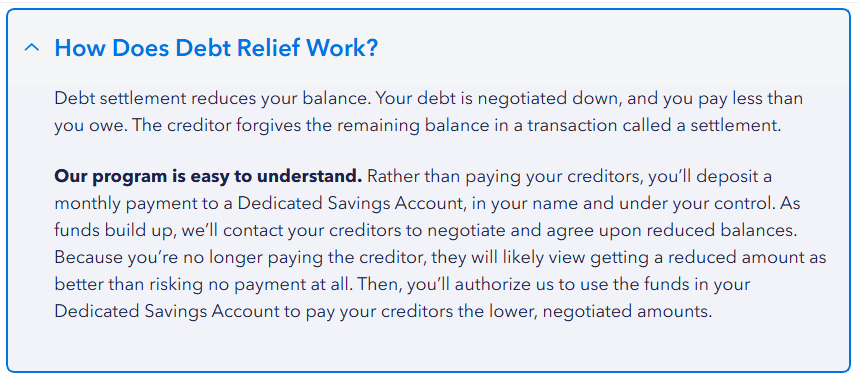
Understanding the landscape of debt relief assists you make informed choices. Each approach lugs unique benefits and drawbacks.
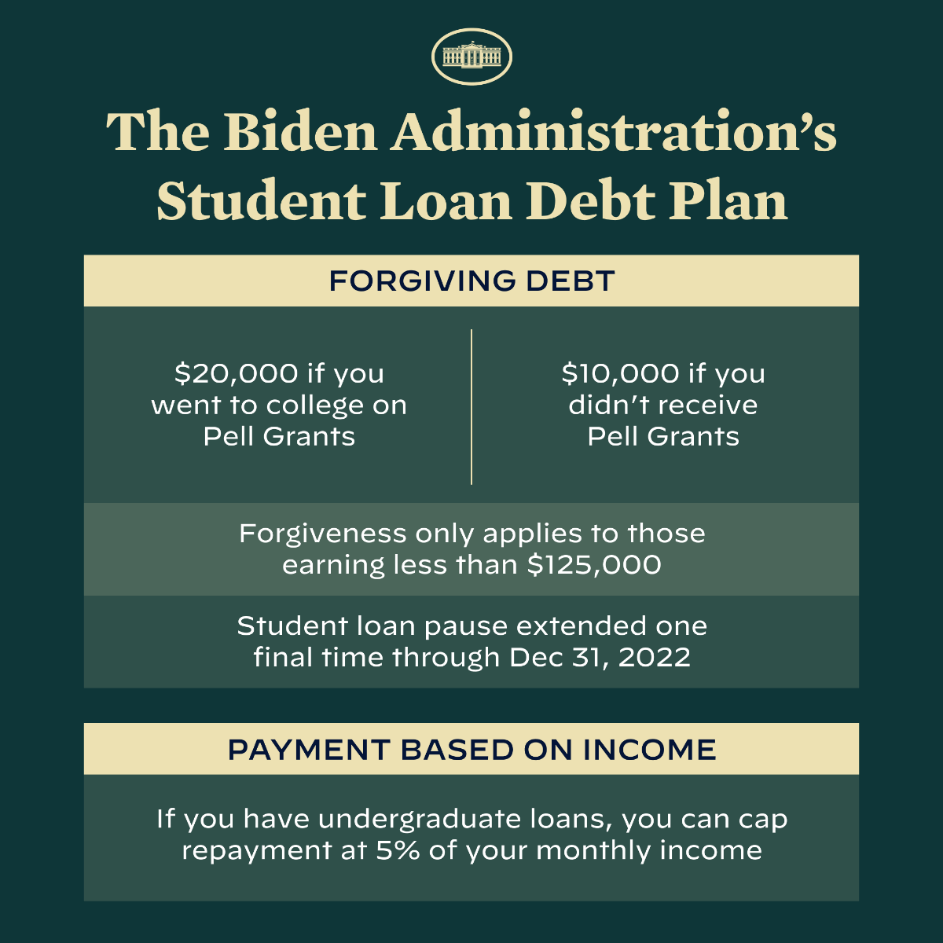
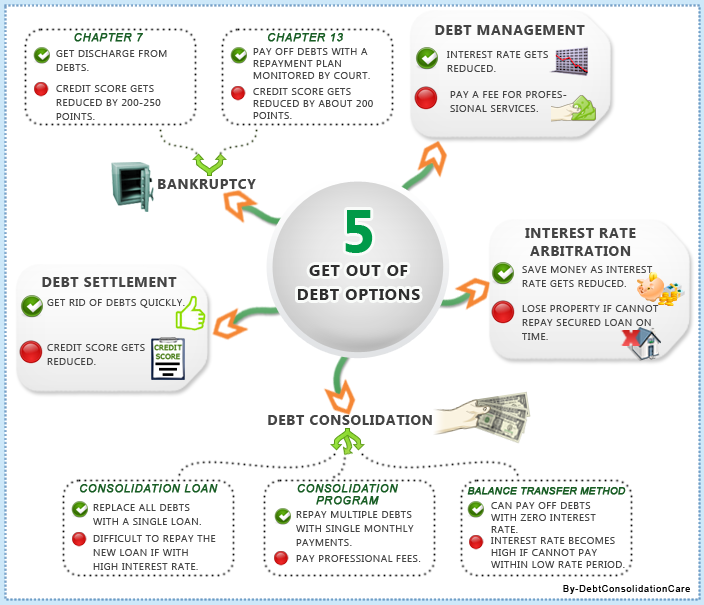
Financial Debt Monitoring Programs consolidate numerous unsafe financial debts into solitary month-to-month repayments. Therapists negotiate with lenders to potentially minimize rates of interest without requiring new finances. A lot of customers total these programs within three to five years. The main benefit is paying financial debts in complete while minimizing overall rate of interest paid.
Debt Settlement negotiates minimized payoff amounts, usually 30% to 50% much less than owed. This method requires stopping payments to creditors while building up settlement funds, which damages credit report throughout the process. Results differ based upon creditor desire and your shown difficulty.
Insolvency provides court defense while getting rid of or reorganizing financial obligations. Phase 7 liquidates certain possessions to discharge unsafe debts quickly. Chapter 13 develops three-to-five-year repayment strategies for those with regular income. Bankruptcy stays on credit rating records for seven to ten years however offers one of the most thorough clean slate.
Debt Therapy provides education and learning and assistance without necessarily enlisting in official programs. Licensed counselors evaluate your full economic picture and suggest ideal next actions, which could include any of the above options.
What Establishes Nonprofit Counseling Apart
The difference in between not-for-profit and for-profit debt alleviation firms matters significantly. Not-for-profit companies like those licensed by the National Structure for Credit Score Counseling (NFCC) run under strict moral standards and fee guidelines. Their counselors go through strenuous qualification and must recertify every 2 years.
For-profit financial debt negotiation companies, conversely, might charge costs varying from 15% to 25% of enrolled debt balances. Some utilize hostile sales strategies and make impractical promises regarding results. The Consumer Financial Defense Bureau has actually documented various problems concerning predacious practices in this industry.
APFSC runs as a not-for-profit counseling firm, supplying complimentary financial obligation administration examinations and controlled fees for recurring solutions. Their HUD-approved real estate counselors add value for those dealing with foreclosure alongside basic debt problems. Solutions are offered in English, Spanish, and Portuguese, expanding accessibility to underserved areas.
Study supports the performance of nonprofit therapy. A research study appointed by the NFCC located that credit history therapy customers decreased rotating debt by $3,600 greater than comparison groups throughout the 18 months following their sessions. Virtually 70% of individuals reported better money monitoring and greater financial self-confidence.
Caution Indications of Predative Financial Debt Alleviation Services
Not all financial obligation alleviation companies have your benefits at heart. Recognising red flags secures you from making a tight spot worse.
Beware of business that ensure certain results. No genuine solution can promise precise negotiation portions or timeline assurances because end results rely on specific financial institutions and circumstances.
Avoid any business demanding big upfront charges prior to offering solutions. Reputable not-for-profit therapy supplies complimentary preliminary assessments, and for-profit negotiation companies are legitimately banned from gathering charges up until they successfully settle at the very least one debt.
Question anybody encouraging you to quit interacting with lenders totally without discussing the effects. While critical communication stops briefly sometimes support settlements, complete evasion can cause legal actions, wage garnishment, and added damage.
Genuine firms discuss all choices truthfully, consisting of alternatives that could not involve their paid services. If a firm presses just one option no matter your situation, seek advice in other places.
Taking the Primary Step Toward Recuperation
Financial recovery begins with sincere analysis. Collect your newest statements for all debts, determine your complete obligations, and examine your sensible regular monthly repayment capacity. This information develops the structure for any productive therapy session.
Take into consideration organizing cost-free examinations with several not-for-profit companies before committing to any kind of program. Compare their referrals, cost frameworks, and communication designs. The best counseling relationship need to really feel encouraging instead of pushing.
Organisations like APFSC use on-line conversation, phone appointments, and comprehensive intake procedures created to understand your special scenario prior to recommending remedies. Their financial debt management calculator assists you visualise potential timelines and cost savings prior to enrolling.
The Course Onward
Overwhelming financial obligation does not define your future-- but neglecting it will. Whether financial debt forgiveness, insolvency therapy, or organized financial obligation management makes good sense for your scenario depends upon elements unique to your circumstances.
Professional advice from accredited not-for-profit therapists illuminates alternatives you could never discover separately. These solutions exist specifically to assist people like you navigate complex financial challenges without predacious charges or unrealistic assurances.
The average American struggling with financial obligation waits much as well long prior to seeking aid, enabling interest to substance and choices to slim. Monthly of delay costs money and extends your recuperation timeline.
Emerging Trends in Debt Management: What Borrowers Need to KnowYour first conversation with a certified therapist prices absolutely nothing however might change whatever. Financial flexibility isn't booked for the lucky-- it's readily available to any individual happy to take that initial action towards comprehending their options and devoting to a reasonable plan.

Table of Contents
- – The Growing Demand for Debt Forgiveness Solutions
- – Insolvency Therapy: The Misunderstood Safeguard
- – Contrasting Your Debt Relief Options
- – What Establishes Nonprofit Counseling Apart
- – Caution Indications of Predative Financial Deb...
- – Taking the Primary Step Toward Recuperation
- – The Course Onward
Latest Posts
The Ultimate Guide To The Truth About How Specialty Counselors Help Clients Facing Legal Separation or Child Support Changes in Today's Economy
Some Known Details About Inflation Impacting Rising Need for Professional Help
An Unbiased View of Federal Programs That Offer Empowering Communities: The Impact of Financial Education Programs : APFSC
More
Latest Posts
Some Known Details About Inflation Impacting Rising Need for Professional Help
An Unbiased View of Federal Programs That Offer Empowering Communities: The Impact of Financial Education Programs : APFSC