Featured

/images/2025/11/17/how_does_debt_settlement_work_.png)
The Genuine Price of Neglecting Financial Debt: Exactly How Professional Counseling Solutions Are Transforming Financial Recuperation
Table of Contents
- – The Growing Need for Debt Forgiveness Solutions
- – Bankruptcy Therapy: The Misunderstood Safety A...
- – Contrasting Your Financial Obligation Relief O...
- – What Establishes Nonprofit Therapy Apart
- – Caution Indicators of Predative Financial Obli...
- – Taking the Primary Step Towards Recovery
- – The Path Forward
Financial stress has actually become a defining quality of contemporary American life. With total credit history card financial obligation exceeding $1.21 trillion and the ordinary cardholder owing even more than $6,500, numerous individuals locate themselves caught in cycles of minimum repayments and compounding rate of interest. When credit history card rates of interest hover around 23%, also modest balances can swell into overwhelming concerns within months.
For those sinking in debt, the question isn't whether to seek help-- it's locating the ideal sort of help that won't make issues worse.
The Growing Need for Debt Forgiveness Solutions
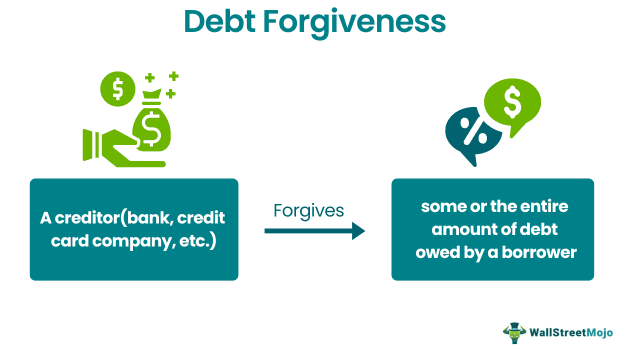
Debt mercy has arised as among the most searched financial topics on the internet, and forever reason. The concept of working out financial debts for less than the sum total owed deals real wish to people who see no reasonable path to paying their equilibriums completely.
The process usually functions such as this: when bank card accounts go unpaid for 120 days or more, lenders typically charge off the financial debt. At this stage, they might accept decreased settlements to recover at the very least a section of what's owed. Effective arrangements can minimize equilibriums by 30% to 50%, relying on the creditor and your demonstrated financial challenge.
However, financial debt mercy isn't free cash. Worked out accounts show up on credit history records as "" paid much less than complete balance,"" which influences your rating. In addition, forgiven amounts surpassing $600 might be reported to the IRS as taxable income. Understanding these trade-offs prior to pursuing negotiation is crucial.
Bankruptcy Therapy: The Misunderstood Safety And Security Net
Bankruptcy lugs significant stigma, yet it continues to be a genuine legal device developed to offer overwhelmed people a genuine fresh begin. What lots of people don't realise is that federal regulation needs two counseling sessions before and after declaring-- and these sessions exist especially to guarantee you're making a notified decision.
Pre-bankruptcy credit counseling entails a detailed review of your earnings, financial debts, and expenditures. Certified therapists present choices you could not have actually thought about, including debt monitoring programs or challenge negotiations. This isn't about dissuading bankruptcy; it has to do with validating it's absolutely your best choice.
Post-bankruptcy debtor education prepares you for economic success after discharge. You'll discover budgeting techniques, saving strategies, and credit rebuilding approaches created to avoid future economic troubles.
Organisations like APFSC deal both needed programs, with fees around $19.99 per session unless you get challenge waivers. Their certified therapists offer same-day certifications, and sessions typically run 60 to 90 minutes. This accessibility matters when you're currently worried regarding finances.
Contrasting Your Financial Obligation Relief Options
Understanding the landscape of debt relief assists you make informed decisions. Each method brings distinctive advantages and disadvantages.
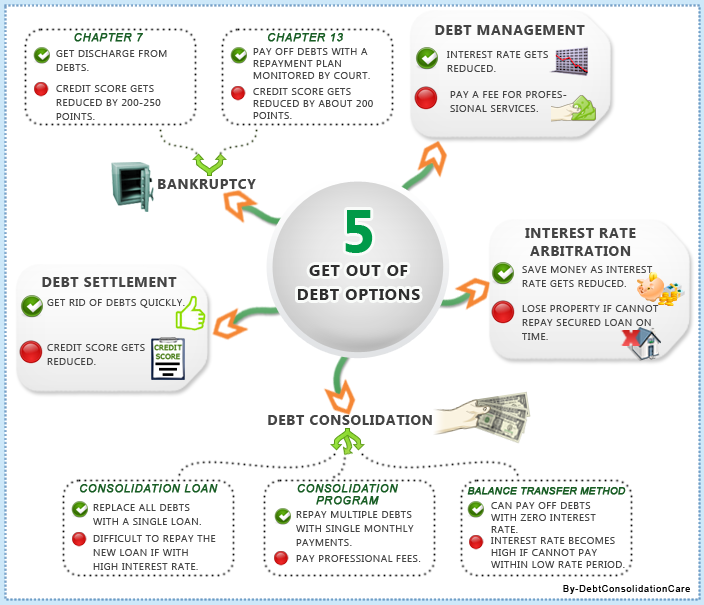
Debt Monitoring Programs consolidate numerous unsafe financial obligations right into solitary month-to-month payments. Counselors bargain with creditors to potentially reduce rates of interest without requiring new lendings. The majority of customers full these programs within 3 to 5 years. The main advantage is paying financial debts completely while reducing total passion paid.
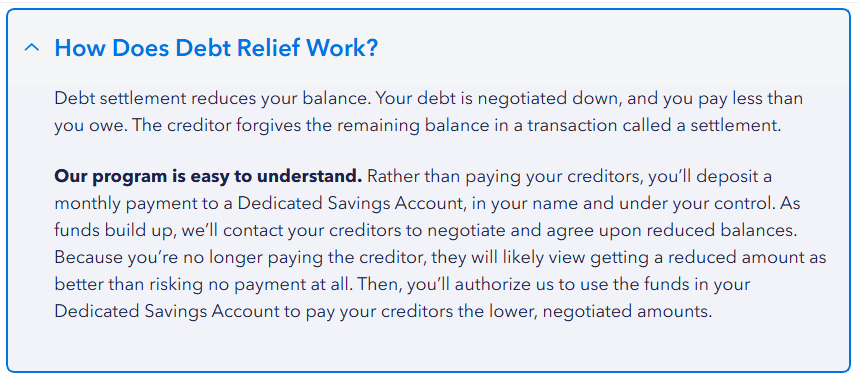
Financial obligation Settlement works out minimized benefit quantities, typically 30% to 50% less than owed. This approach calls for quiting settlements to financial institutions while accumulating settlement funds, which damages credit history during the procedure. Outcomes differ based upon creditor readiness and your demonstrated hardship.
Personal bankruptcy offers court security while getting rid of or restructuring financial debts. Chapter 7 sells off specific possessions to release unsafe financial obligations quickly. Chapter 13 develops three-to-five-year repayment plans for those with routine revenue. Bankruptcy continues to be on credit score records for seven to 10 years however offers one of the most thorough fresh start.
Debt Counseling gives education and support without always signing up in formal programs. Qualified therapists assess your full economic image and advise proper following steps, which may consist of any of the above options.

What Establishes Nonprofit Therapy Apart
The distinction in between nonprofit and for-profit financial debt relief companies matters immensely. Not-for-profit agencies like those accredited by the National Foundation for Debt Therapy (NFCC) run under stringent moral guidelines and cost laws. Their counselors go through rigorous qualification and must recertify every 2 years.
For-profit financial debt negotiation business, conversely, may bill fees ranging from 15% to 25% of enlisted debt equilibriums. Some use aggressive sales strategies and make unrealistic guarantees concerning results. The Customer Financial Security Bureau has actually documented numerous issues about aggressive techniques in this market.
APFSC operates as a not-for-profit therapy firm, using free financial debt management consultations and managed fees for ongoing services. Their HUD-approved real estate counselors include value for those facing repossession alongside general financial obligation concerns. Solutions are offered in English, Spanish, and Portuguese, broadening ease of access to underserved neighborhoods.
Study sustains the efficiency of nonprofit therapy. A research commissioned by the NFCC located that credit scores counseling clients lowered revolving financial obligation by $3,600 more than comparison teams during the 18 months following their sessions. Almost 70% of participants reported better finance and better financial confidence.
Caution Indicators of Predative Financial Obligation Alleviation Solutions
Not all debt alleviation companies have your ideal interests at heart. Identifying red flags secures you from making a difficult circumstance even worse.
Beware of firms that guarantee details results. No legit solution can guarantee specific settlement percents or timeline assurances because end results rely on private lenders and situations.
Prevent any company demanding big ahead of time charges before offering solutions. Genuine not-for-profit therapy provides complimentary first appointments, and for-profit negotiation business are legitimately banned from collecting charges until they effectively resolve a minimum of one debt.
Inquiry any person encouraging you to quit interacting with creditors completely without discussing the repercussions. While calculated communication pauses sometimes support settlements, total avoidance can cause legal actions, wage garnishment, and extra damage.
Reputable companies describe all options honestly, consisting of alternatives that might not involve their paid services. If a firm pushes just one service regardless of your circumstance, look for support in other places.
Taking the Primary Step Towards Recovery
Financial recuperation begins with honest evaluation. Collect your most recent statements for all financial obligations, compute your complete responsibilities, and assess your reasonable monthly settlement ability. This information forms the structure for any effective therapy session.
Take into consideration scheduling free consultations with numerous nonprofit agencies prior to committing to any kind of program. Compare their referrals, charge frameworks, and communication styles. The ideal therapy connection should really feel encouraging rather than pressuring.
Organisations like APFSC offer on the internet conversation, phone appointments, and comprehensive consumption procedures designed to recognize your distinct situation prior to recommending solutions. Their financial obligation management calculator helps you imagine possible timelines and savings before enrolling.
The Path Forward
Overwhelming debt does not define your future-- yet disregarding it will. Whether financial debt mercy, bankruptcy therapy, or organized debt administration makes good sense for your scenario relies on elements unique to your conditions.
Specialist assistance from certified nonprofit therapists illuminates options you might never discover individually. These services exist particularly to help individuals like you navigate intricate financial challenges without predative fees or impractical guarantees.
The average American having problem with financial obligation waits far too long prior to seeking help, permitting rate of interest to substance and alternatives to slim. Each month of delay expenses cash and prolongs your recovery timeline.
Managing Money During a Long Illness: Working with Creditors Before Bills Pile UpYour initial discussion with a qualified counselor prices nothing yet can transform whatever. Financial flexibility isn't reserved for the lucky-- it's readily available to anyone happy to take that preliminary step toward recognizing their options and devoting to a realistic strategy.

Table of Contents
- – The Growing Need for Debt Forgiveness Solutions
- – Bankruptcy Therapy: The Misunderstood Safety A...
- – Contrasting Your Financial Obligation Relief O...
- – What Establishes Nonprofit Therapy Apart
- – Caution Indicators of Predative Financial Obli...
- – Taking the Primary Step Towards Recovery
- – The Path Forward
Latest Posts
The Ultimate Guide To The Truth About How Specialty Counselors Help Clients Facing Legal Separation or Child Support Changes in Today's Economy
Some Known Details About Inflation Impacting Rising Need for Professional Help
An Unbiased View of Federal Programs That Offer Empowering Communities: The Impact of Financial Education Programs : APFSC
More
Latest Posts
Some Known Details About Inflation Impacting Rising Need for Professional Help
An Unbiased View of Federal Programs That Offer Empowering Communities: The Impact of Financial Education Programs : APFSC